

11 February 1746: Rear-Admiral John Byng, whose squadron was anchored off Montrose, dispatched Captain John Gore and a company of the 9th Marines from HMS Gloucester to take possession of the town of Montrose, which had just been vacated by the Jacobites. Byng also sent the 14-gun sloop Saltash into Montrose Harbour to prevent French ships from landing supplies and allow Captain Gore to retreat if the Jacobites returned in force.1
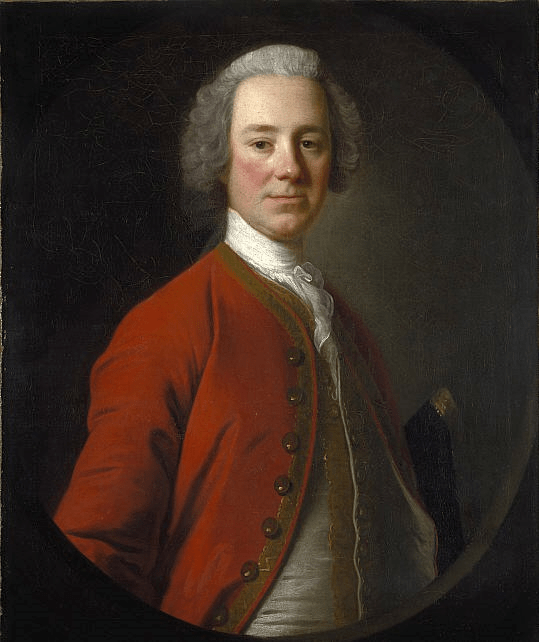
11 February 1746: John Campbell, Earl of Loudoun, began to fortify the town of Inverness ahead of the expected arrival of the Jacobites. Ditches and trenches were dug, and naval guns were positioned to cover the approaches. Loudoun commanded over 2,000 pro-Hanoverian highlanders and was expecting additional men from Sutherland and the Isle of Skye. Duncan Forbes of Culloden, Lord President of the Court of Session, had established his quarters at Fort George/Inverness Castle.
11 February 1746: The Committee of the Loyal Inhabitants of Perth wrote to William Augustus, Duke of Cumberland, raising their concerns that the Jacobites might “Burn or otherwise Ruin” the town if Cumberland marched his whole army out before the Jacobites were fully dispersed, and they petitioned him to keep some forces there to guard against any Jacobite attack.2
Notes:
- The history of the rebellion in 1745 and 1746, extracted from the Scots Magazine, (1755), p 145. ↩︎
- RA CP/MAIN/10 f.180-180a. ↩︎
Article first published on 11 February 2025
