

11 November 1715: After marching out from Perth the previous day, the Earl of Mar held a review of the Jacobite army at Auchterarder and was joined by General Alexander Gordon and the western clans. Mar’s field army now numbered around 7,000, which included around 800 horse. Mar and the senior Jacobite officers settled the army’s order of battle and the order of march.1
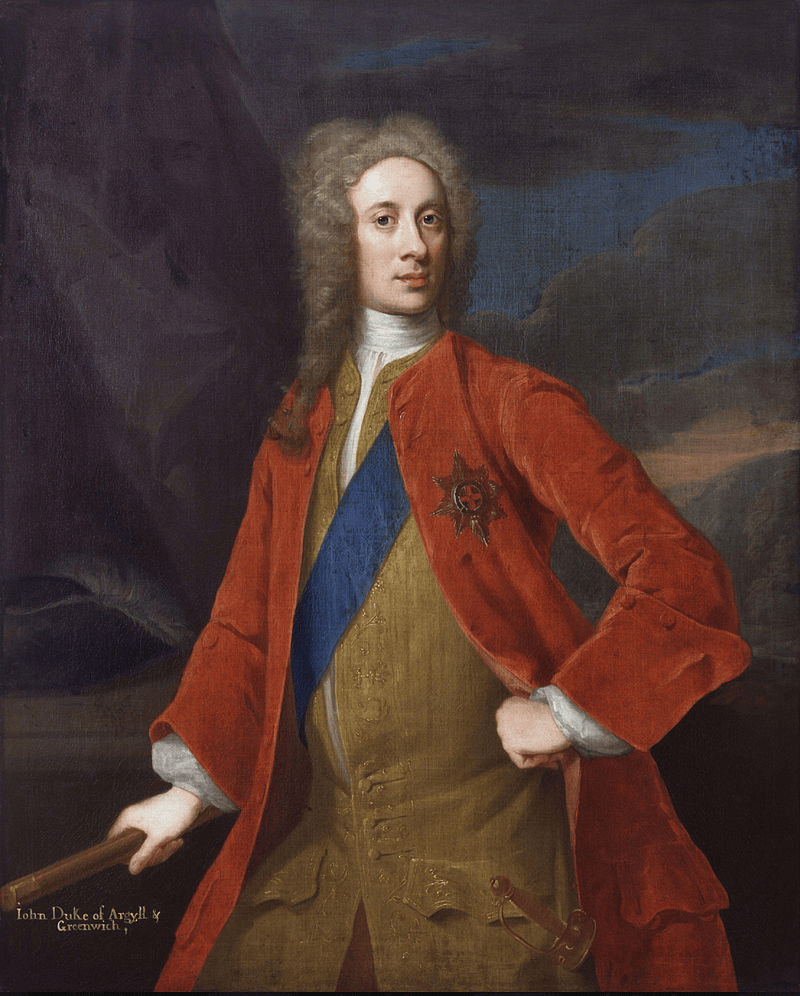
11 November 1715: The government commander, the Duke of Argyll, had intended to march out from Stirling on the afternoon of the 11th but delayed his departure until the 12th to allow troops who had just arrived to rest. His forces numbered 950 dragoons and around 2,300 infantry.
11 November 1715: Major-General Charles Wills, with the dragoon regiments of Wynn, Honeywood, Munden and Dormer, and Preston’s Regiment of Foot, marched from Manchester to Wigan, where Pitt’s Regiment of Horse and Stanhope’s Dragoons were in quarters. Major-General Wills left orders for Newton’s Regiment of Dragoons, which were marching to join him, to remain at Manchester, to prevent the disaffected in that town from rising. Upon learning that the Jacobites were still holding Preston, he issued orders to begin a march there early the following morning.2
11 November 1745: After receiving intelligence that Field Marshal George Wade had left Newcastle and was marching towards Carlisle, the Jacobite army left the siegeworks at Carlisle and marched to Brampton. Charles Edward Stuart was “determined to give him battle there, as being the best ground in that part of the Country.”3 Snow was beginning to fall and would soon block the road through the Tyne Gap.
Notes:
